
Fuel Your Vitality: Foods That Power Men's Wellness
Discover what science and nutrition research say about the foods most closely linked to male vitality, energy, and long-term well-being. Our editorial team curates evidence-informed guides to help you eat smarter, feel stronger, and live with more confidence — starting on your plate.
Featured Article
The 10 Best Foods for Men's Energy and Drive
From zinc-rich oysters to antioxidant-loaded pomegranates, our editors break down which whole foods have the strongest connection to male vitality and what to put on your plate each week.
Read the full guideWhy Nutrition Matters
The Food-Vitality Connection
Leading nutrition researchers consistently point to diet as one of the most influential factors in men's long-term energy, stamina, and overall well-being. Here is what the evidence highlights.
Whole Foods, Whole Energy
Men who regularly consume minimally processed, nutrient-dense whole foods report markedly better energy levels throughout the day. Leafy greens, legumes, and fatty fish are among the most studied contributors to sustained male vitality.
Micronutrients Are Key
Zinc, selenium, vitamin D, and magnesium are micronutrients frequently found to be lacking in the average Western diet — yet they are intimately linked to male hormonal balance and reproductive vitality according to nutritional science literature.
Circulation Starts at the Table
Healthy blood flow — the foundation of male energy and physical performance — is profoundly shaped by what men eat. Foods rich in nitrates, flavonoids, and omega-3 fatty acids are frequently highlighted in nutrition research for their circulatory benefits.
Editorial Picks
Top Foods for Men's Sexual Well-Being
Our editorial team has reviewed the latest nutritional research to highlight the foods most commonly associated with male vitality, stamina, and reproductive wellness. Explore each category below.
 #1 Pick
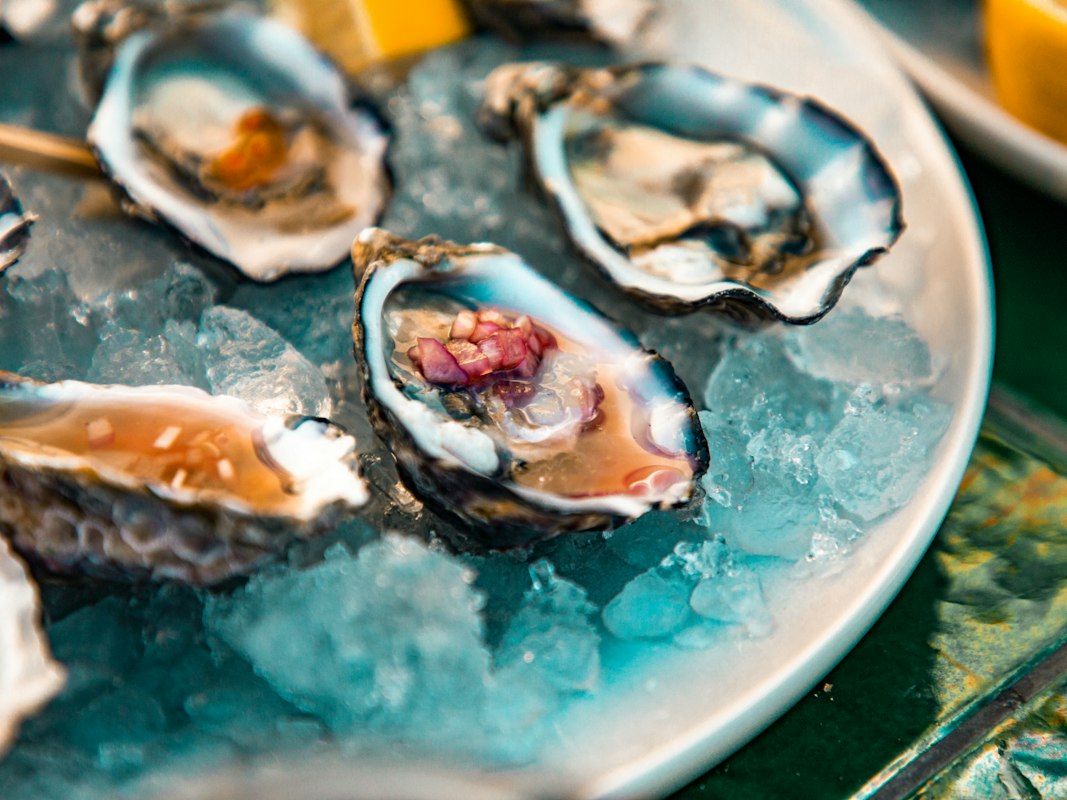
Oysters & Zinc-Rich Shellfish
Oysters are the single richest dietary source of zinc — a mineral directly linked to healthy testosterone production and sperm quality in men. Even a modest weekly serving makes a measurable nutritional difference.
Read the guide #2 Pick
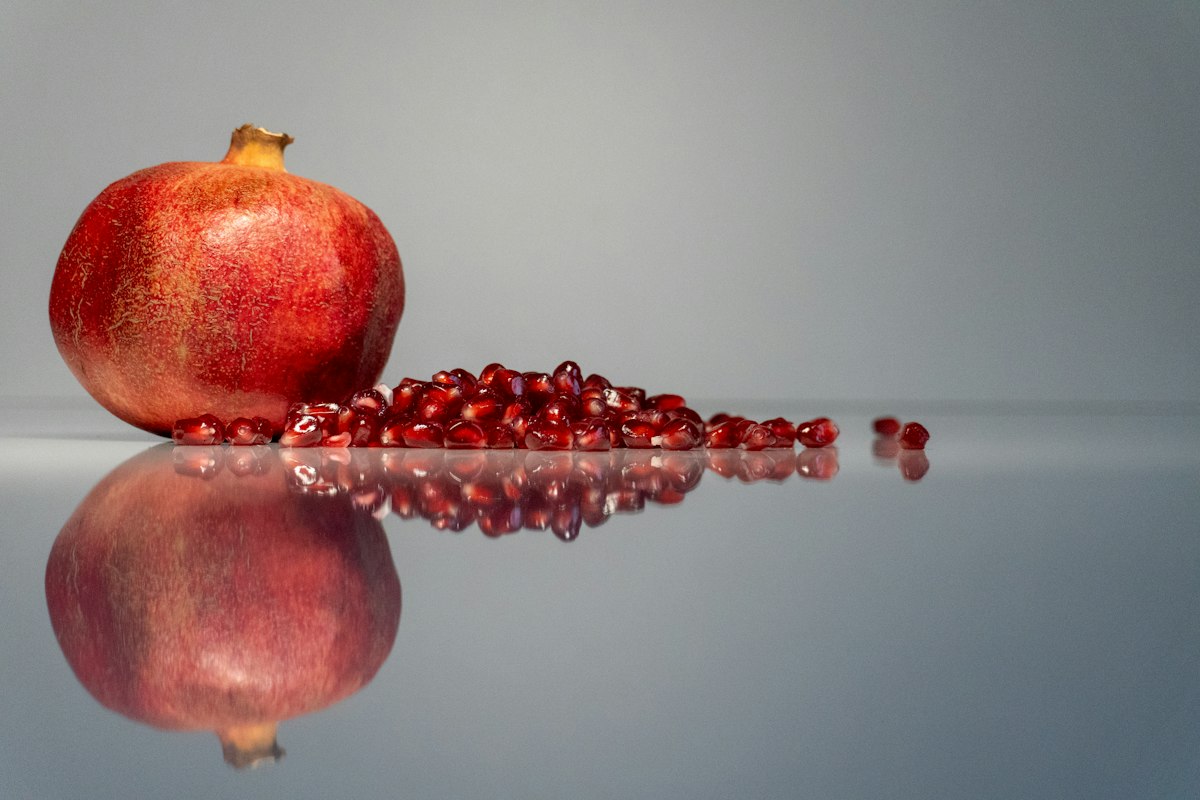
Pomegranate — Nature's Circulation Fruit
Rich in punicalagins and anthocyanins, pomegranate has been shown in multiple studies to support nitric oxide production and healthy blood circulation. Men who consume pomegranate juice regularly report increased energy and endurance.
Read the guide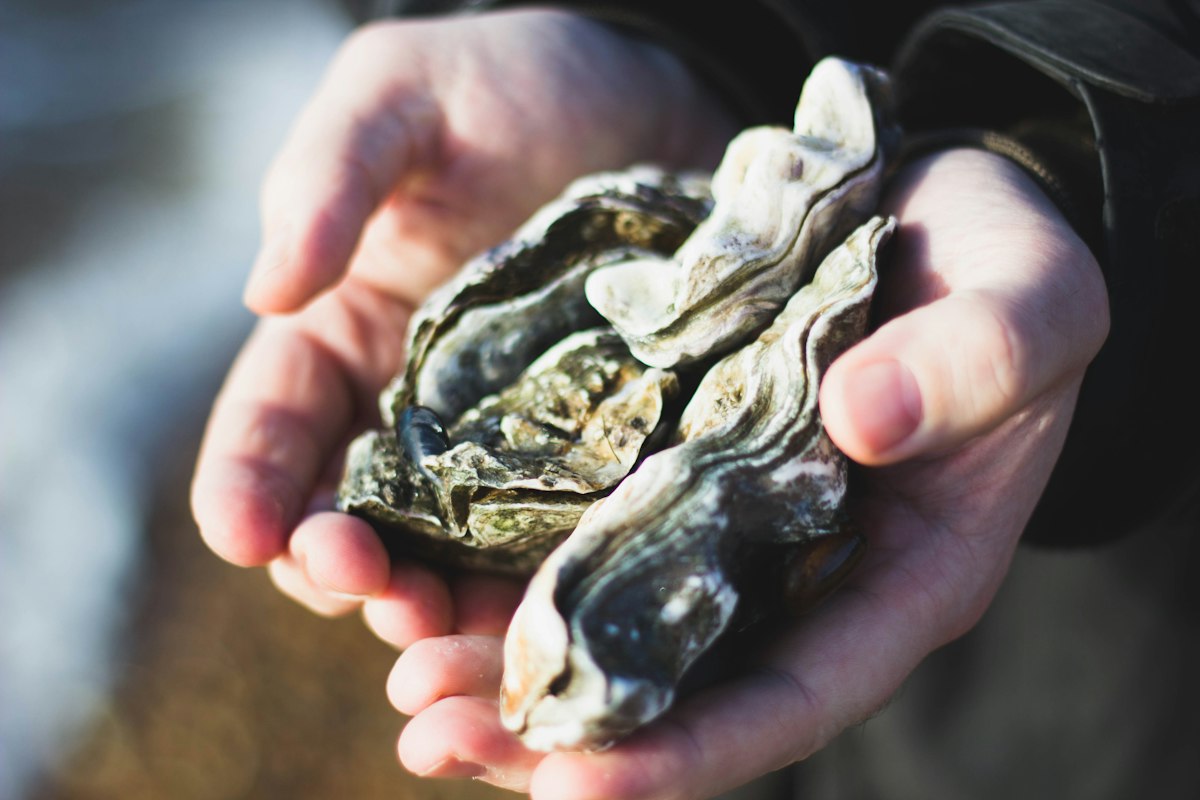 #3 Pick
Dark Chocolate & Flavonoid Power
High-cacao dark chocolate is one of the most flavonoid-dense foods available. Flavonoids support vascular function, mood regulation, and stress resilience — three interconnected pillars of male sexual well-being highlighted in nutritional reviews.
Read the guide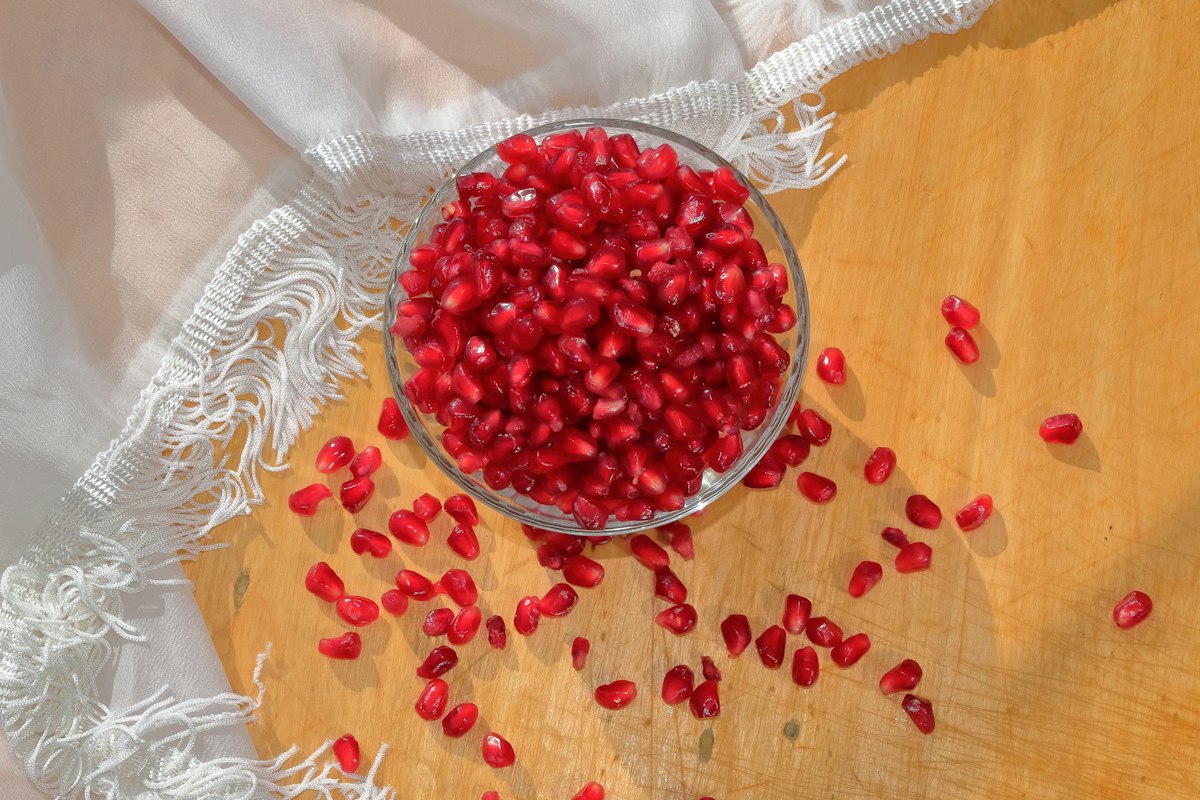 #4 Pick
Spinach & Leafy Green Vegetables
Spinach and similar greens are packed with magnesium, folate, and natural nitrates. Magnesium in particular plays a documented role in maintaining free testosterone levels in men, while folate supports sperm DNA integrity.
Read the guide #5 Pick
Walnuts, Almonds & Pumpkin Seeds
This trio of nuts and seeds delivers a remarkable concentration of arginine, omega-3 fatty acids, selenium, and zinc. Research highlights their combined role in supporting male hormone balance and healthy vascular function.
Read the guide #6 Pick
Salmon, Mackerel & Sardines
Fatty cold-water fish are the gold standard for dietary omega-3s and vitamin D — two nutrients consistently associated with male reproductive health and cardiovascular function. Including fish twice per week is widely endorsed by nutrition researchers.
Read the guideReady to Discover What Belongs on Your Plate?
Our editorial guides break down each food category with clear, research-backed insights — no jargon, no sales pitch. Just practical food knowledge designed for men who want to feel their best through smart nutrition.
Editorial Insight
How Your Daily Diet Shapes Male Vitality
The relationship between what men eat and how they feel — physically, mentally, and sexually — is one of the most thoroughly documented areas of nutritional science. The foods that support healthy circulation, hormonal balance, and neurological resilience are not exotic or difficult to find. They are ordinary whole foods, eaten consistently and intentionally.
Nutrition researchers have identified several dietary patterns — including the Mediterranean diet, the DASH diet, and various plant-forward eating models — that are associated with markedly better male reproductive and cardiovascular health outcomes. These patterns share common features: abundant vegetables and fruit, regular consumption of oily fish, limited processed foods, and generous use of seeds, nuts, and legumes.
At PotencyBoostFoods, our editorial mission is to translate that research into clear, engaging, and practical reading. We are not here to sell anything — we are here to help men understand the nutritional levers that matter most and how to work them into an enjoyable, sustainable daily diet.
About Our Editorial TeamEditorial Process Guide
How to Build a Vitality-Focused Meal Plan
You do not need a nutrition degree to eat for vitality. These four editorial-recommended steps form the backbone of a diet that consistently delivers better male energy, mood, and well-being according to food researchers.
Audit Your Current Plate
Before adding anything new, spend a week writing down what you eat — honestly and without judgment. Most men discover they are consuming far less zinc, vitamin D, and healthy fats than their bodies need, and far more refined carbohydrates and processed oils than is optimal for sustained vitality. A food diary is the single most powerful nutritional tool, according to most dietitians.
Prioritise Keystone Nutrients
Identify the core micronutrients most closely associated with male vitality: zinc, magnesium, vitamin D, selenium, arginine, and omega-3 fatty acids. Then map these to their richest whole-food sources. Oysters and red meat for zinc; fatty fish and egg yolks for vitamin D; pumpkin seeds and leafy greens for magnesium. Building meals around these nutrients ensures you cover the most important bases first.
Plan the Week With Variety
A vitality-focused eating pattern does not require eating the same meals every day. In fact, dietary variety is itself a marker of nutritional health. Aim for at least two servings of oily fish per week, three to five colourful vegetable servings per day, and a rotating selection of nuts, seeds, and legumes. Batch-cooking grains and proteins on Sundays makes weekday meals effortless and consistent.
Track Progress Over Time
Nutrition works cumulatively. Most men who adopt a consistently vitality-focused diet notice meaningful differences in energy, mood, and physical stamina within six to eight weeks. Keep a simple weekly log of your energy levels, sleep quality, and general mood. This creates a feedback loop that makes it much easier to identify which dietary changes are making the biggest difference for your unique body.
Common Questions
Frequently Asked Questions
Our readers often ask the same smart questions about food and male well-being. Here are honest, research-grounded answers from our editorial team.
Which single food has the strongest evidence for male sexual well-being?
Oysters are frequently cited in nutritional literature as the most nutrient-dense single food for men's reproductive health, primarily due to their extraordinary zinc content. However, most researchers emphasise that a pattern of eating — not any single food — is what produces lasting improvements in male vitality and energy.
How quickly can dietary changes affect men's energy and stamina?
According to nutritional research, some improvements — such as better energy levels and mood — can appear within two to four weeks of consistent dietary change. Deeper benefits related to hormonal balance and circulatory health typically build over six to twelve weeks of sustained, nutrient-focused eating. Consistency matters far more than perfection.
Is a plant-based diet suitable for men who want to optimise vitality?
Yes — with careful planning. Plant-based diets can be excellent for male well-being when they include abundant zinc-rich seeds, legumes, fortified plant milks for vitamin D, and omega-3 sources such as walnuts and flaxseeds. Men on fully plant-based diets are often advised by nutritional authorities to monitor their zinc and vitamin B12 intake closely.
Do processed foods really have a negative impact on male vitality?
Evidence consistently shows that diets high in ultra-processed foods — particularly those rich in refined sugars, trans fats, and artificial additives — are associated with lower male vitality markers, including reduced energy, poorer mood, and diminished circulatory health. Reducing processed food intake is one of the most impactful dietary changes a man can make.
Are there foods men should actively avoid for better vitality?
Research points to several categories that may be worth limiting: high-sugar beverages, heavily processed soy products in large quantities (due to phytoestrogen content), excessive alcohol, and foods high in trans fats. These are not categorically forbidden, but moderation is widely recommended in nutritional literature focused on men's long-term well-being.
What role does hydration play in men's sexual energy and stamina?
Hydration is often overlooked but is foundational to every physiological process, including blood flow and physical stamina. Even mild dehydration has been documented to reduce energy, lower mood, and impair focus in men. Drinking adequate water throughout the day — typically two to three litres — supports every nutrition strategy described in our editorial guides.